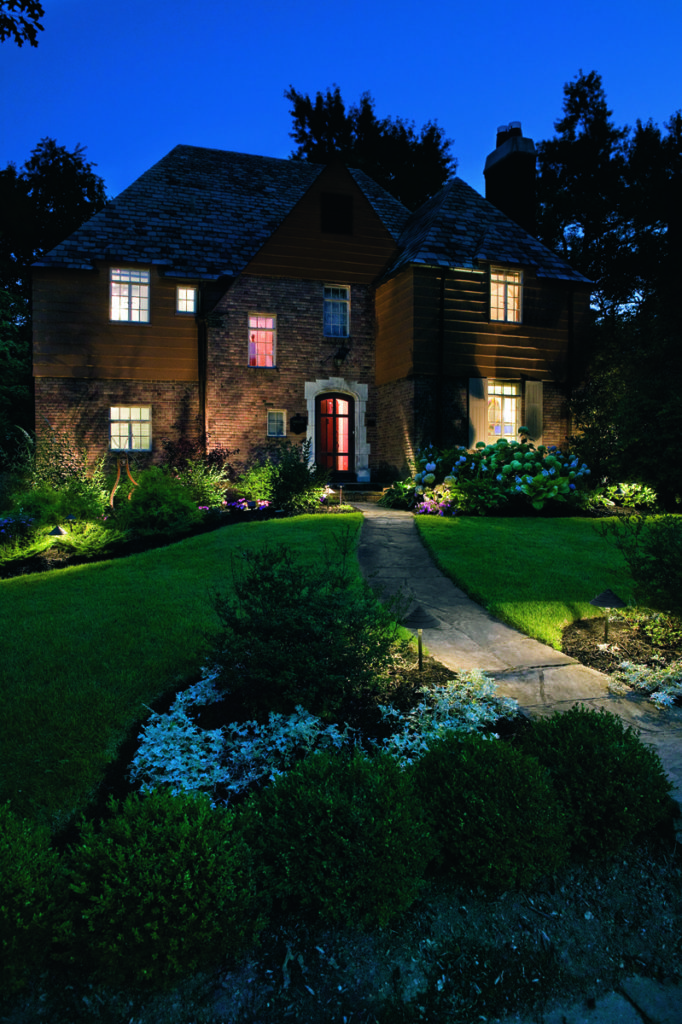
How can I create a layered lighting effect in my landscape design?
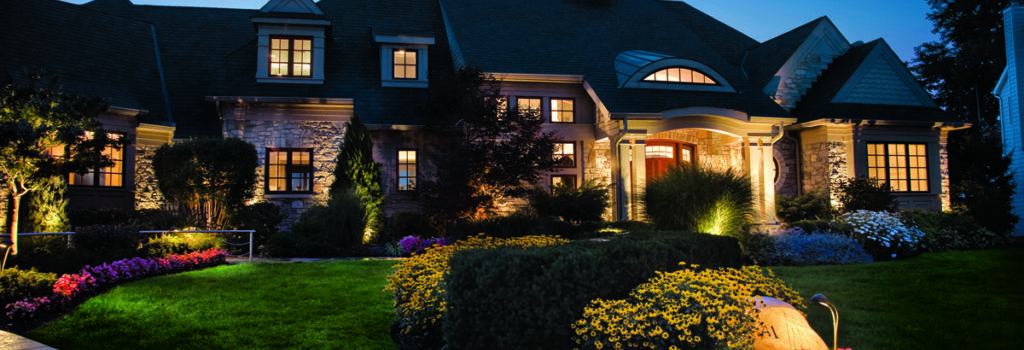
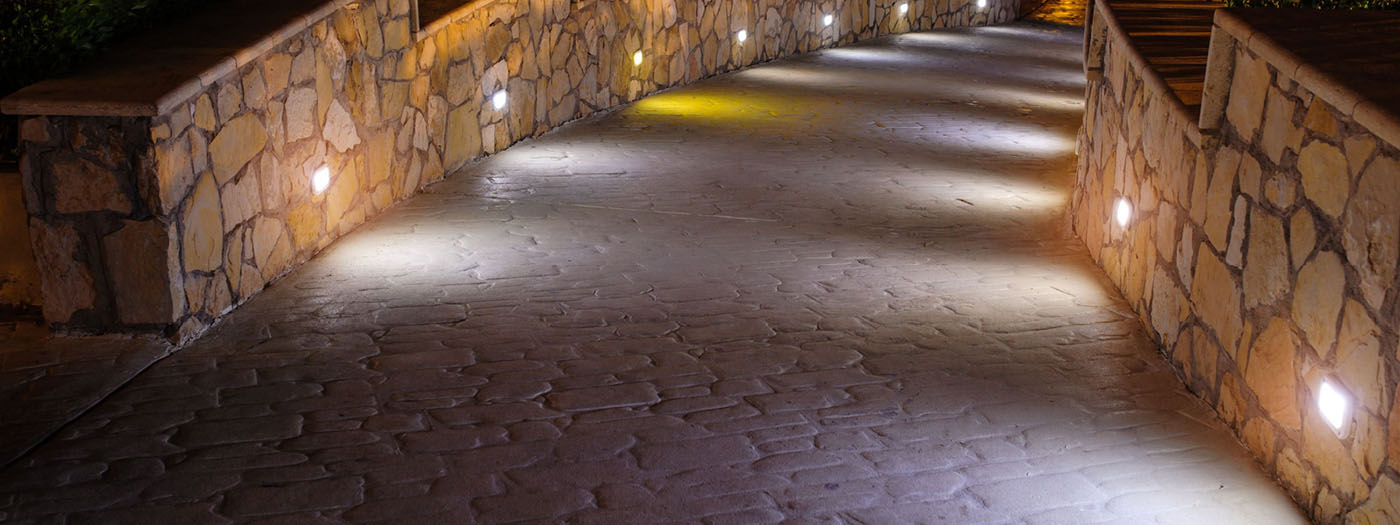
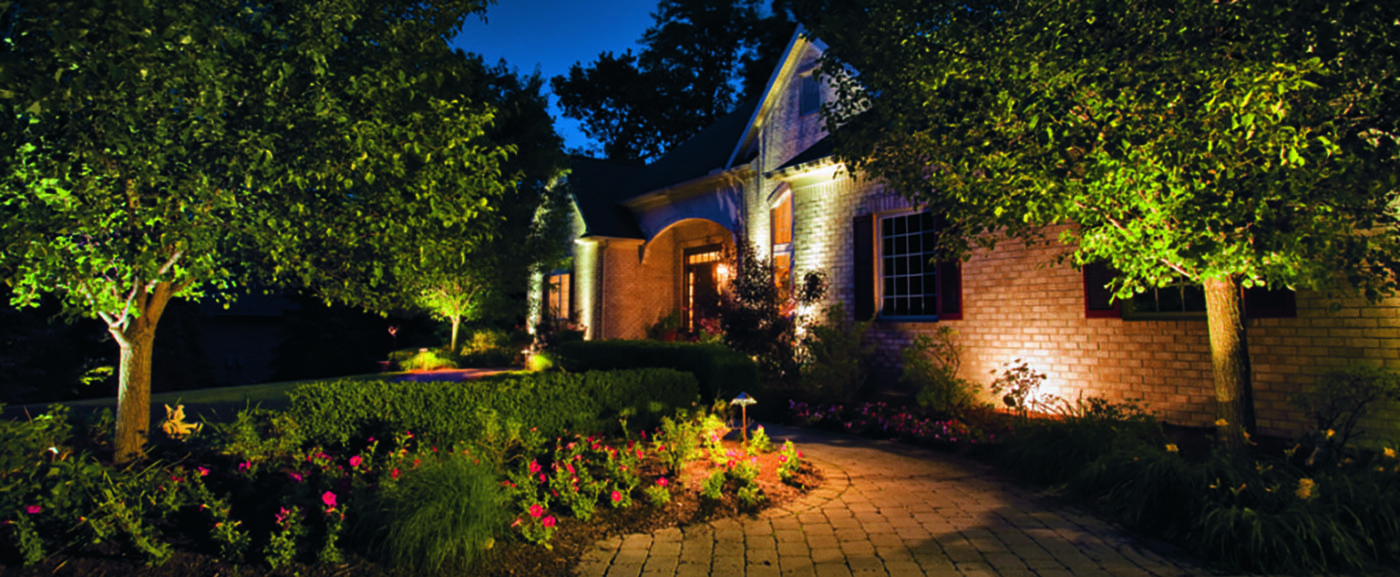
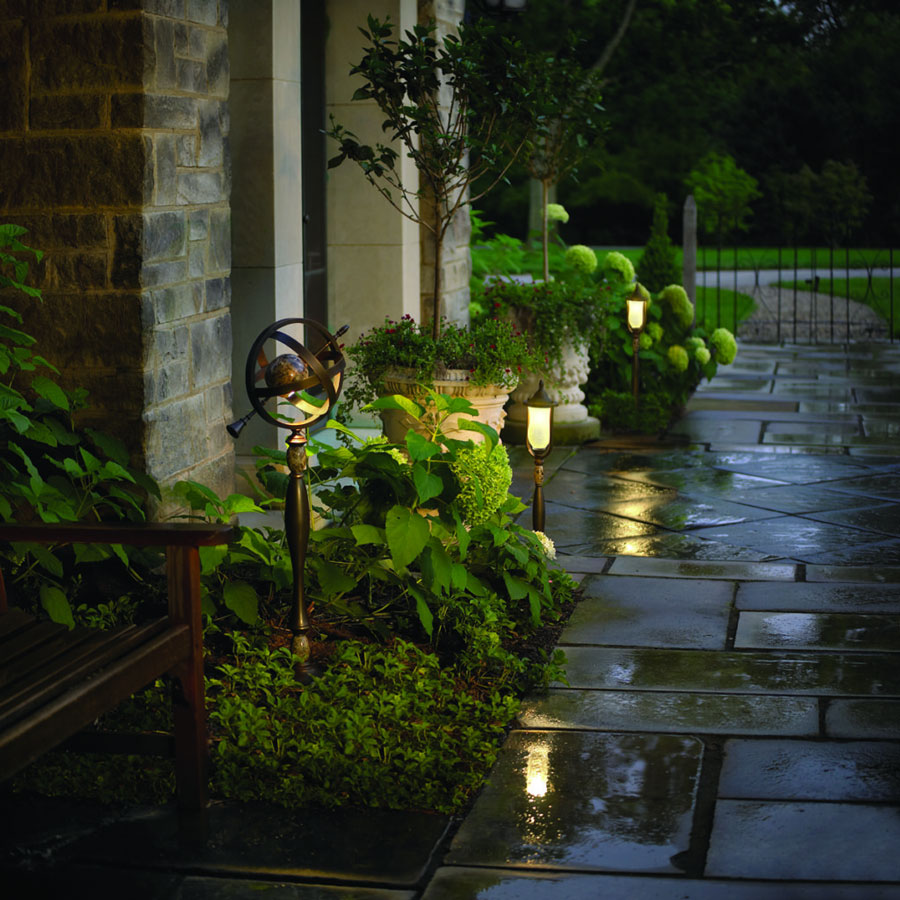
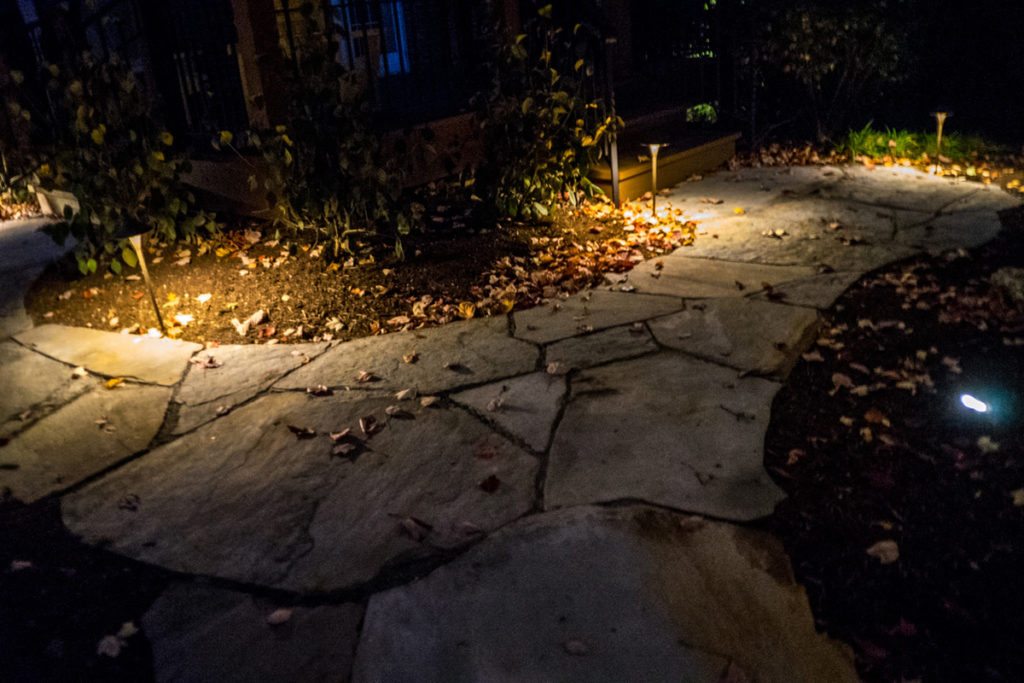
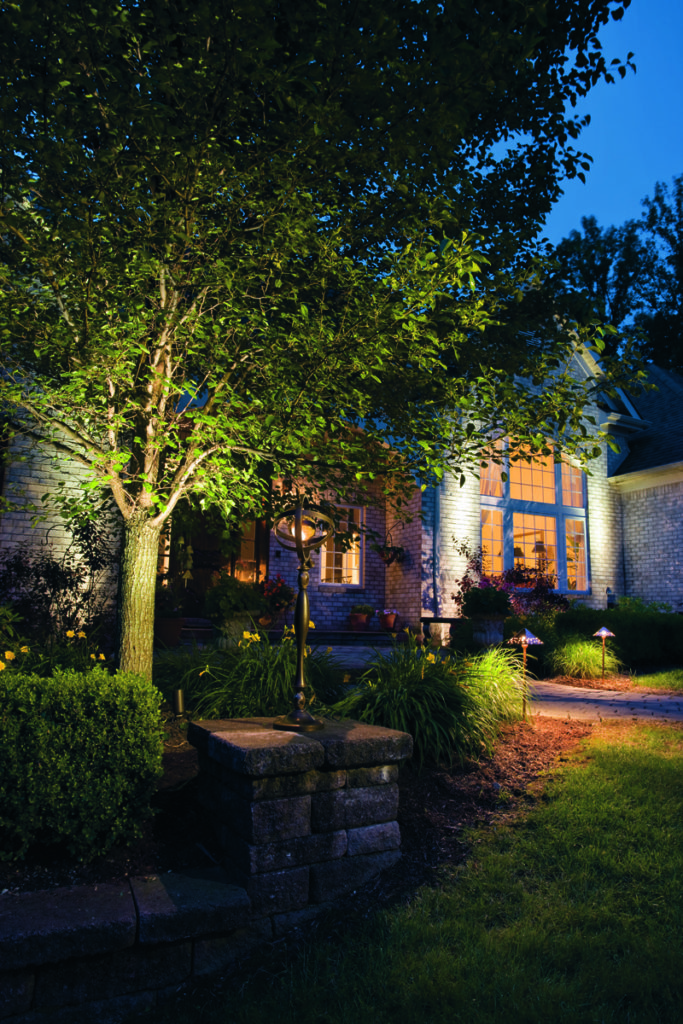
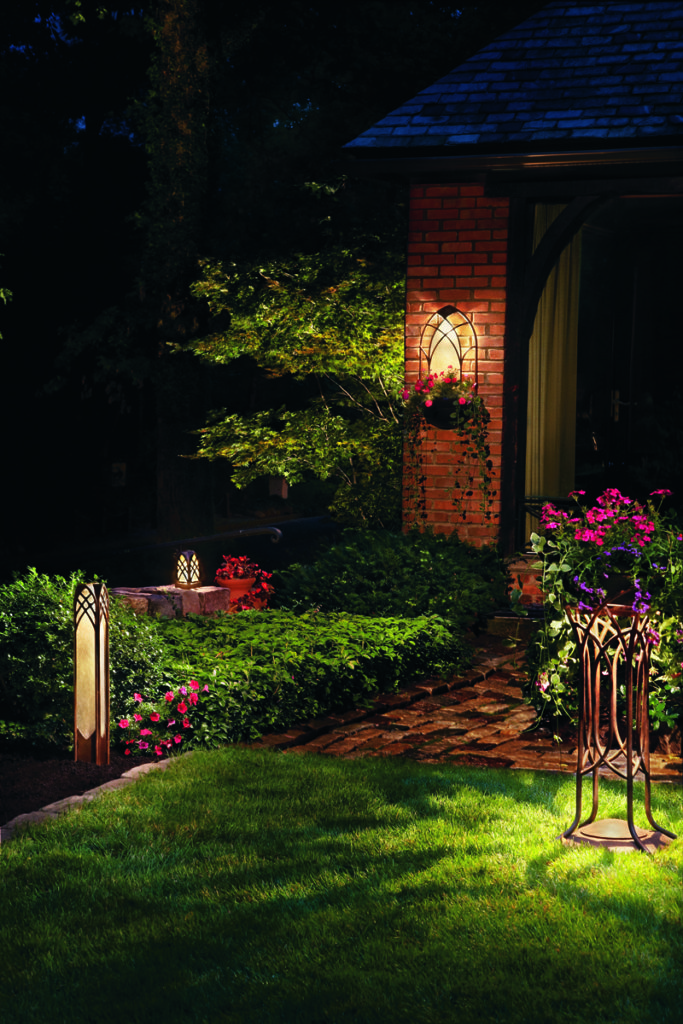
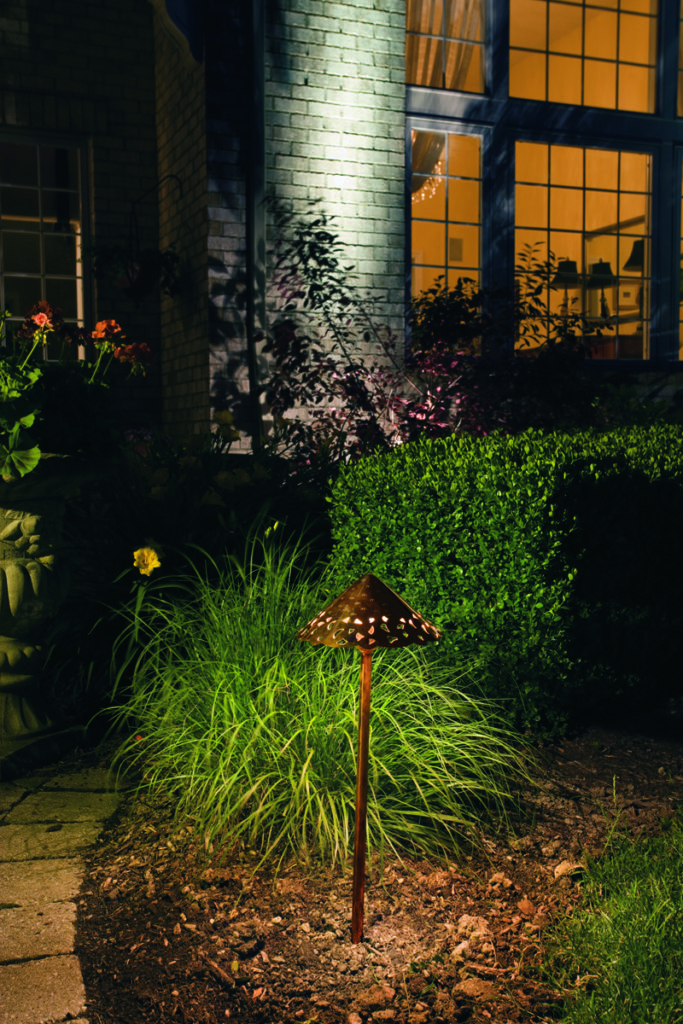
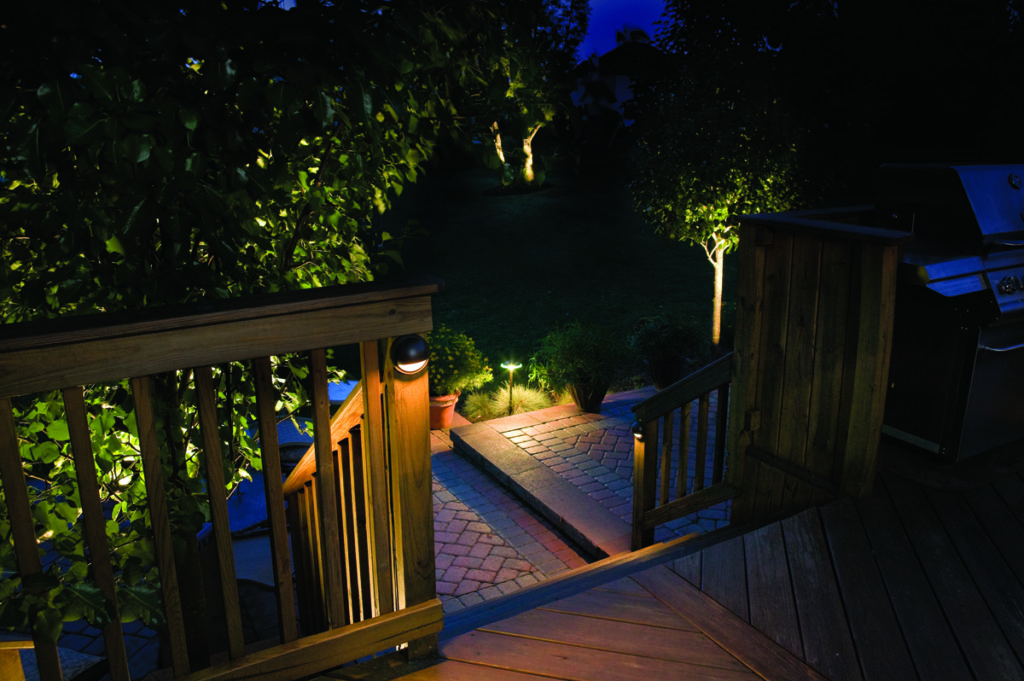
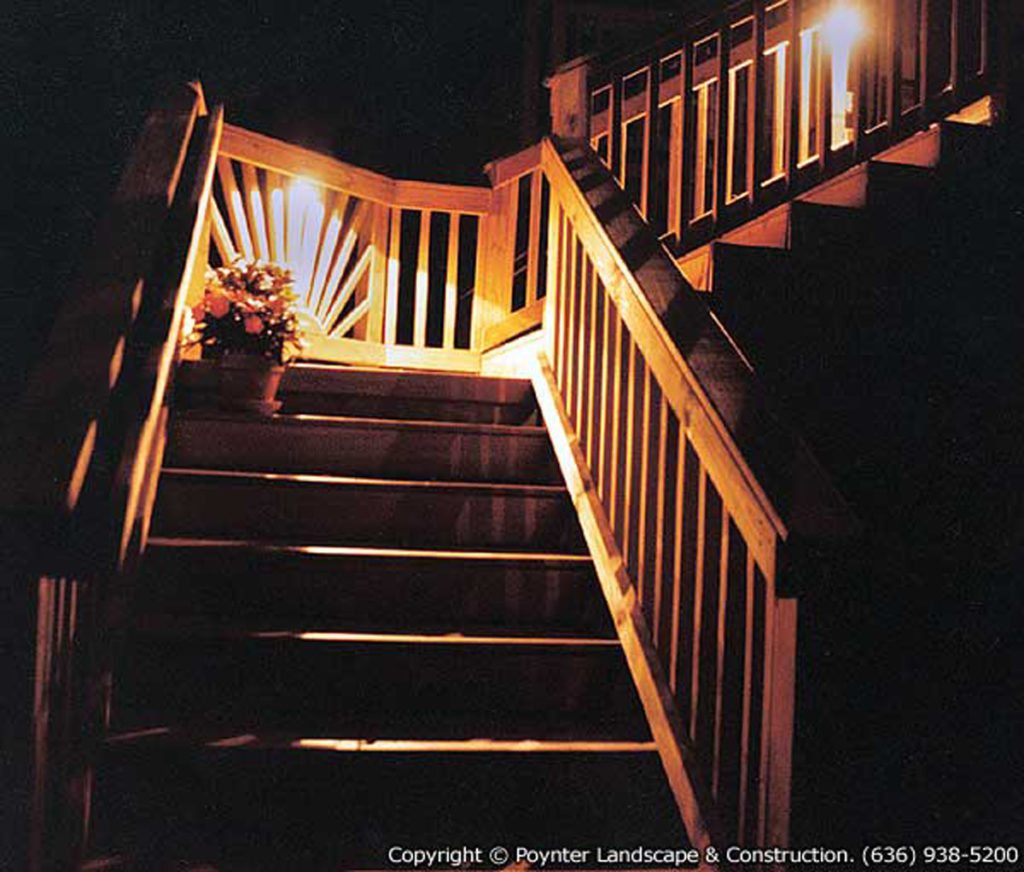
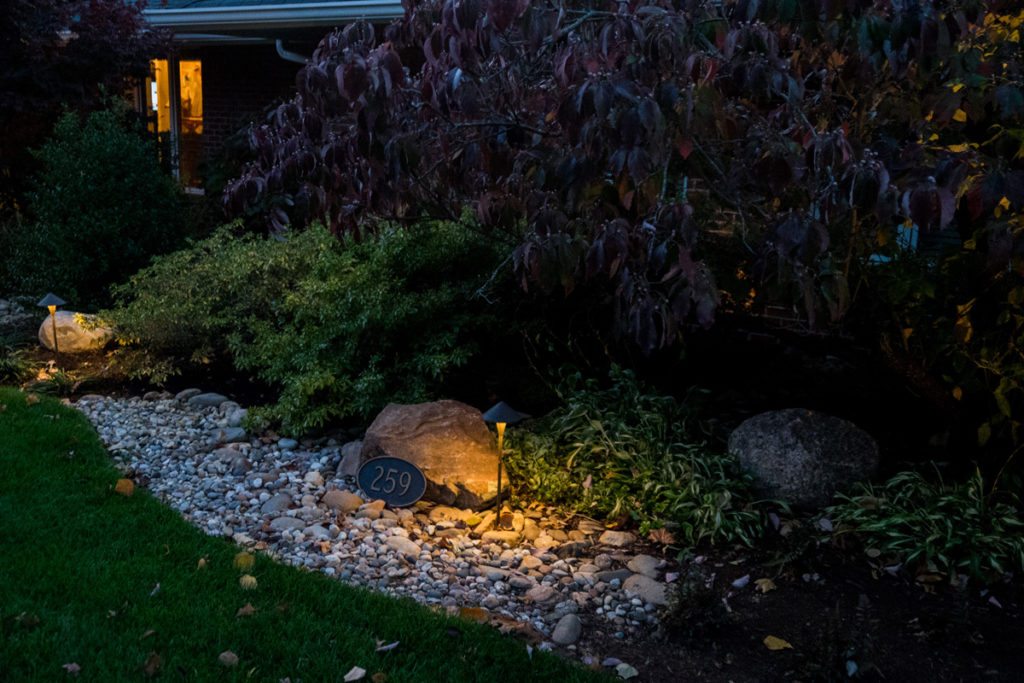
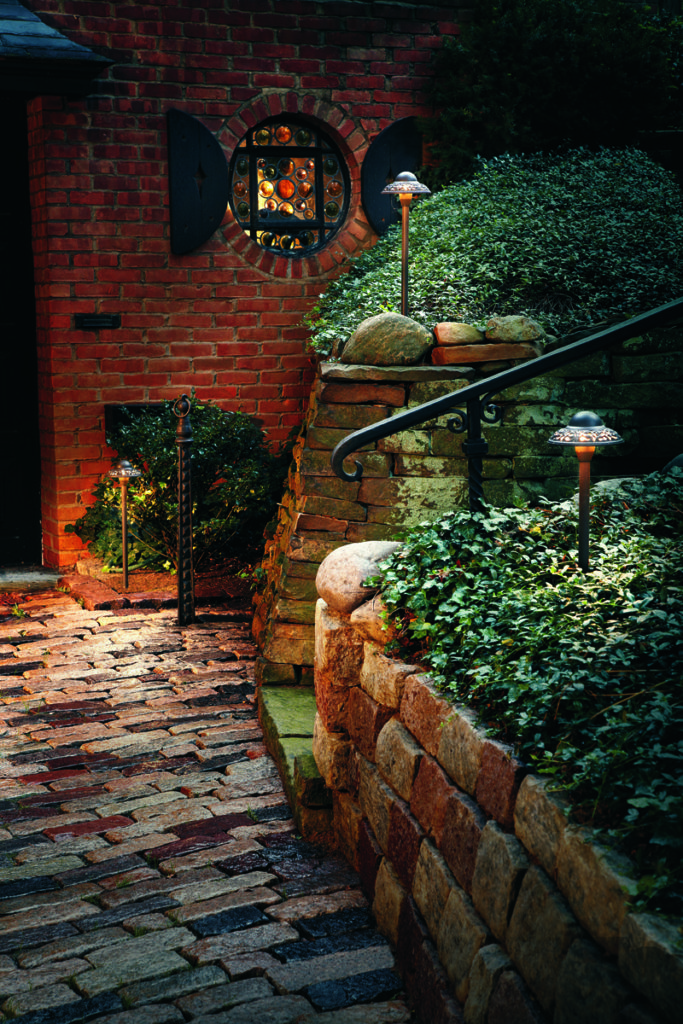
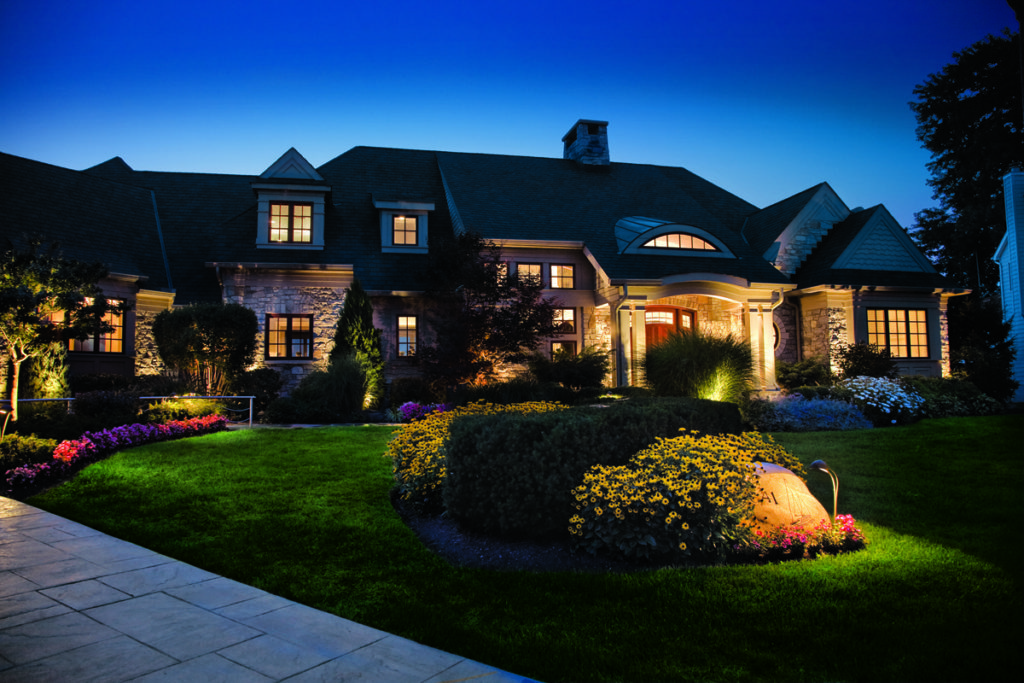
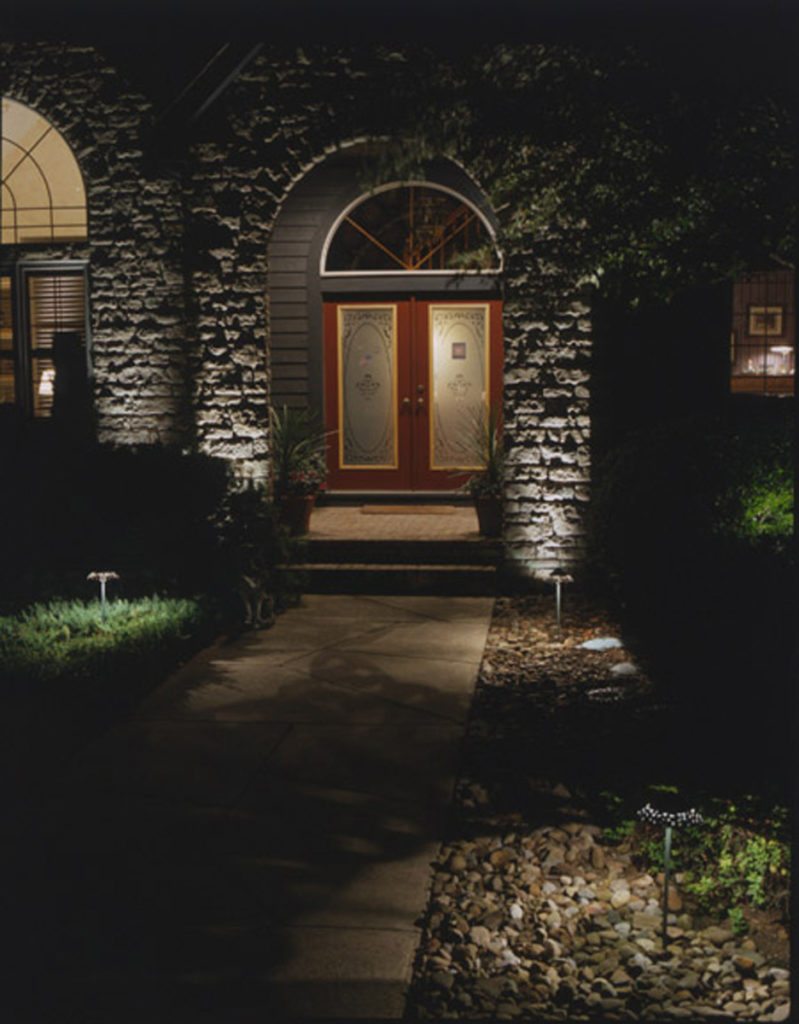
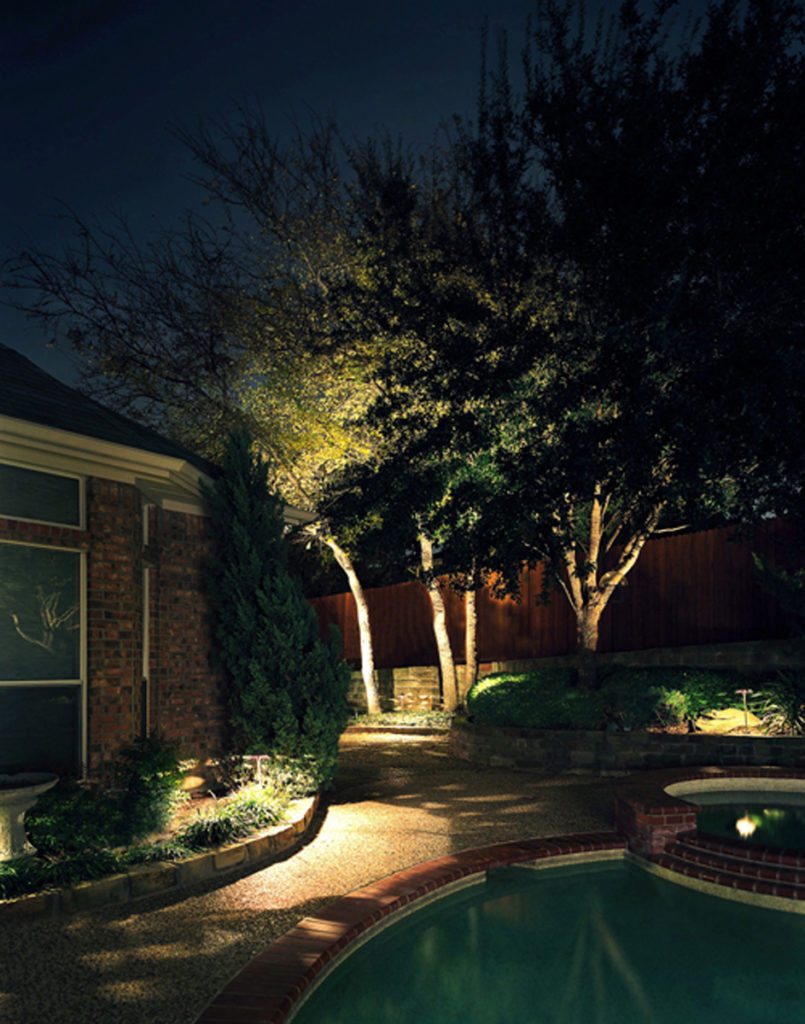
Ways to create a layered effect with outdoor lighting include using a combination of ambient lighting (lighting the general area), task lighting (lighting for different functional areas like a driveway), and landscape accent lighting (lighting for focal points), as well as a mixture of downlighting (mounted at high points) and uplighting (installed low to the ground). Using color-changing lights can also add texture and visual interest to any landscape lighting system.
How do I choose the right type of landscape lighting for my yard?
Choosing the right type of landscape lighting for an outdoor space involves the following considerations:
- Goal of the lighting. What are your outdoor lights for: security by deterring thieves, safety by illuminating walkways, or aesthetics by accenting focal points?
- Brightness (lumens). Choose the right brightness for your needs, as accent lighting will be less harsh and bright than security spotlights.
- Energy efficiency (wattage). Is energy efficiency a concern of yours? If so, opt for energy-efficient lightbulbs, like LED lighting, or solar-powered lighting fixtures.
- Color temperature (kelvin). What color will your lighting system be? Warmer lighting (often 3000K and below) will create a more inviting atmosphere than cooler lighting (usually 4600+K)
- Durability. Not all lighting is made for the same purposes. Outdoor lighting absolutely needs to be durable, with special weatherproofing properties.
How do I choose the right color temperature for my landscape lighting?
Choosing the right landscape lighting color entails knowing the vibe of the space you want to illuminate and how color temperature is measured in lighting.
Start by asking yourself the kind of space you want to create. Do you want a welcoming deck space? If so, you’ll likely want warmer colors, for example. If you want maximum brightness for security purposes, a cooler and higher-intensity color will be the right choice.
Color temperature of lighting is measured in kelvin, or K. Warmer lights are usually 3000K or lower. Neutral lights are often between 3100K to 4500K. Cooler, high-intensity lights are 4600K and above.
How do I design a landscape lighting plan for my garden?
The best way to design a landscape lighting plan for your garden? Talk to award-winning experts with decades of relevant experience designing, installing, and maintaining outdoor lighting systems in your neck of the woods.